Rinaldi Chrysler Dodge Jeep Ram

Blog / Rinaldi Chrysler Dodge Jeep Ram

Dodge Charger or Durango: Two Very Different Ways to Enjoy Performance

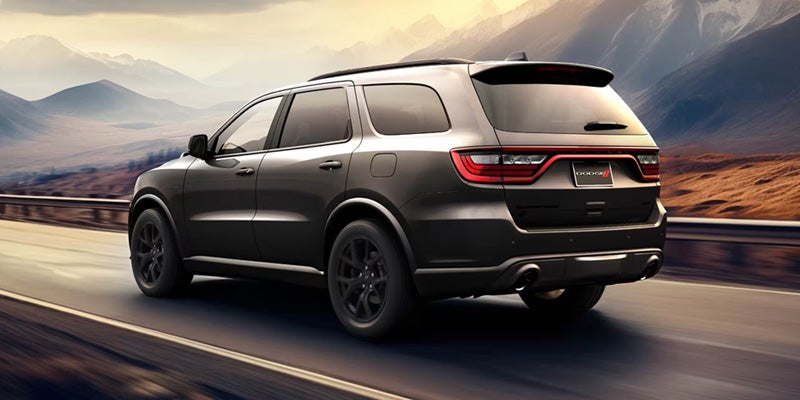
Gray Dodge Durango driving along a mountain highway at sunset.

While many manufacturers emphasize efficiency and restraint, Dodge continues developing vehicles with substantial horsepower and distinctive driving characteristics. The Charger offers gasoline and electric performance, while the Durango combines V8 power with family practicality. For drivers in Shenandoah, PA, choosing between them requires examining performance, versatility, and the financial commitments involved.

Charger SIXPACK: Turbocharged Power with AWD

The modern Charger SIXPACK replaces traditional V8 expectations with a twin-turbocharged 3.0L inline-6. Standard Output configurations produce 420 hp and 468 lbs. ft. of torque, while High Output models increase those figures to 550 hp and 531 lbs. ft. Both use an 8-speed automatic transmission and standard AWD. The result is substantial acceleration with traction distributed across four wheels. Available 2-door and 4-door configurations introduce further flexibility, although availability depends on the specific model and powertrain.

Charger Daytona: Electric Performance with a Different Character

The Charger Daytona Scat Pack delivers up to 670 hp using PowerShot and accelerates from 0 to 60 mph in approximately 3.3 seconds. Its electric powertrain provides immediate torque, eliminating the delay associated with building engine speed. Standard AWD helps manage traction during acceleration. Available launch control, specialized drive modes, and regenerative braking settings allow drivers to tailor vehicle responses. However, charging access, driving range, and journey length deserve careful consideration. The Daytona's performance is impressive, but its ownership requirements differ substantially from those of a gasoline-powered Charger.

Durango: V8 Performance Meets Family Requirements

The Durango provides 3-row seating for up to 7 passengers, alongside substantial engine choices. Its available 5.7L HEMI® V8 produces 360 hp and 390 lbs. ft. of torque. The supercharged 6.2L HEMI® V8 in the SRT Hellcat develops 710 hp and 645 lbs. ft. of torque, delivering extraordinary acceleration for a family SUV. The SRT Hellcat Jailbreak introduces extensive personalization possibilities. Properly equipped Durango configurations can tow up to 8,700 lbs., making it an appealing option for drivers who need both passenger capacity and serious hauling capability.

Financing: Greater Freedom Over Long-Term Ownership

Financing generally suits buyers intending to retain their Dodge for several years. Monthly payments contribute toward ownership, and once the loan is repaid, the vehicle belongs to the owner without the lender's lien. Unlike leasing, financing doesn't impose contractual mileage allowances. Owners also have greater freedom to personalize their vehicles, although modifications may affect warranties and resale value. Interest rates, loan duration, and down payments influence overall costs. Comparing the total amount paid is more informative than examining monthly installments alone. Check out our financing options today.

Leasing: Shorter Commitments with Restrictions

Leasing offers give an alternative for drivers who prefer changing vehicles regularly. Monthly payments may be lower than financing payments for comparable vehicles, depending on contract terms. However, leases generally impose mileage allowances and vehicle-condition requirements. Excessive mileage, modifications, and early termination can generate additional charges. Not every Charger or Durango configuration necessarily qualifies for identical leasing programs. Drivers should consider expected annual mileage and the full contractual cost before deciding which arrangement offers better value.

Performance Upgrades and Ownership Responsibilities

Dodge Direct Connection offers performance parts and accessories for compatible vehicles, allowing owners to personalize selected mechanical and appearance features. Compatibility, installation requirements, and warranty conditions should be reviewed before making modifications. Certain eligible owners may also have access to manufacturer-sponsored performance driving instruction, subject to program availability. These considerations are particularly relevant for enthusiasts planning long-term ownership. Performance upgrades can alter vehicle characteristics, making professional installation and appropriate maintenance important.

Explore Dodge in Shenandoah, PA

Dodge offers distinctive performance through very different vehicles. Visit Rinaldi Chrysler Dodge Jeep Ram in Shenandoah, PA, to compare new available Charger and Durango configurations, review equipment, and discuss financing or leasing terms. Schedule a test drive online today to experience the differences firsthand.
Posted in:

Related Posts

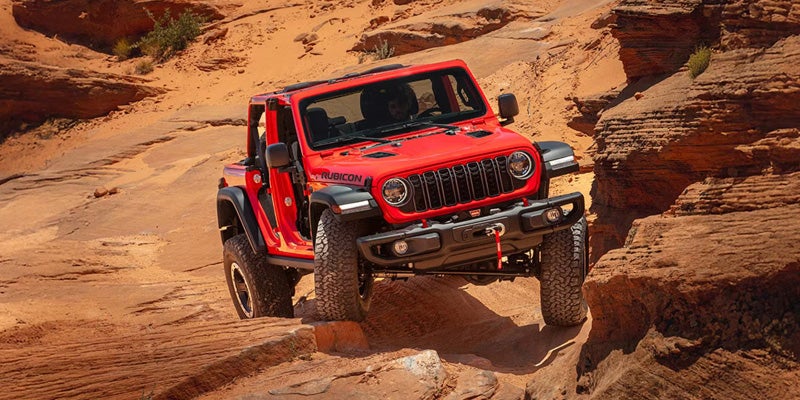
Red Jeep Wrangler Rubicon navigating rocky desert terrain.

2026 Jeep Wrangler: The Mechanical Case for Doing Things Differently

Most modern SUVs are designed primarily for paved roads. The 2026 Jeep® Wrangler follows a different philosophy, retaining solid axles, body-on-frame construction, and dedicated 4WD hardware. These choices introduce compromises in refinement and road behavior, but they also deliver exceptional off-road capability. For drivers in Shenandoah, PA, understanding the Wrangler's mechanical differences is essential to choosing the right version. Two Familiar Engines and a Remarkable V8 The standard 3.6L Pentastar® V6 produces 285 hp and 260 lbs. ft. of torque, paired with a 6-speed manual or available 8-speed automatic transmission. An available 2.0L turbocharged 4-cylinder develops 270 hp and 295 lbs. ft. of torque through an 8-speed automatic. Its stronger low-speed torque makes it particularly appealing for technical terrain. At the opposite extreme, select 392 models feature a 6.4L HEMI® V8 producing 470 hp and 470 lbs. ft. of torque. Sport, Sport S, Willys, and Sahara Sport establishes the Wrangler's fundamentals with Command-Trac® part-time 4WD and a 12.3-inch Uconnect® 5 touchscreen. Sport S adds power windows, power locks, and additional available assistance technology. Willys introduces 33-inch off-road tires and an electronic locking rear differential, providing meaningful improvements in traction. Sahara, offered exclusively with 4 doors, emphasizes comfort through available premium appointments and heated seating. These configurations illustrate the Wrangler's considerable breadth, from straightforward trail equipment to more comfortable everyday transportation. Rubicon: Engineering for Difficult Terrain Rubicon's Rock-Trac® 4WD system features a 4:1 low-range ratio, allowing controlled movement over demanding obstacles. Electronic locking front and rear differentials maintain traction when wheels encounter uneven surfaces, while an electronic front sway bar disconnect increases suspension articulation. Standard 33-inch off-road tires provide substantial grip, with available 35-inch tires increasing clearance. Rubicon X adds leather-trimmed power-adjustable front seats and upgraded equipment. The mechanical hardware remains the principal attraction, particularly for drivers tackling rocky trails. Special Editions with Distinctive Character The 85th Anniversary Edition celebrates Jeep heritage through distinctive exterior details and plaid-inspired upholstery. Rewind introduces retro graphics and bright accents recalling earlier Wrangler designs. Willys '41 references the original military vehicles with Olive Drab-inspired styling, 33-inch tires, and a tan Sunrider® soft top. These editions emphasize visual identity while retaining established Wrangler engineering. Availability may depend on production schedules, so buyers should confirm which versions can be ordered or located. Willys 392 and Moab 392: Excess with Engineering The Willys 392 and Moab 392 use a 6.4L HEMI® SRT V8 producing 470 hp and 470 lbs. ft. of torque. Willys 392 reaches 60 mph in approximately 4.5 seconds and includes 35-inch tires, beadlock-capable wheels, and a winch-capable steel bumper. Moab 392 adds Selec-Trac® full-time 4WD and premium appointments. Both feature 4-door bodies. Their considerable performance is entertaining, although buyers should recognize that additional power doesn't automatically improve every aspect of technical off-road driving. Open-Air Versatility and Modern Technology Removable doors, available soft tops, detachable hardtops, and the Sky One-Touch® Power Top preserve the Wrangler's distinctive open-air character. A fold-down windshield provides another unusual feature, although proper removal procedures are essential. Inside, the standard 12.3-inch touchscreen supports wireless Apple CarPlay® and Android Auto™. Available navigation, heated seating, and trail-focused displays improve convenience. The 4-door configuration also offers additional cargo capacity, making it more accommodating for passengers and equipment. Towing and Trail Capability Properly equipped Wrangler configurations can tow up to 5,000 lbs., although ratings vary by powertrain and equipment. Ground clearance also depends on suspension configuration and tire size. Available skid plates, rock rails, and steel bumpers protect vulnerable components. Jeep's Trail Rated® designation evaluates traction, water fording, maneuverability, articulation, and clearance. These capabilities are impressive, but drivers must respect published limits and recognize that specialized off-road tires can influence highway behavior. Explore the Wrangler in Shenandoah, PA The 2026 Jeep® Wrangler offers an unusual combination of mechanical capability, open-air design, and distinctive character. Choosing between Sport, Rubicon, and the powerful 392 models requires considering actual driving conditions. Visit Rinaldi Chrysler Dodge Jeep Ram to compare available configurations. Schedule a test drive online today to experience the Wrangler's unique driving characteristics firsthand.

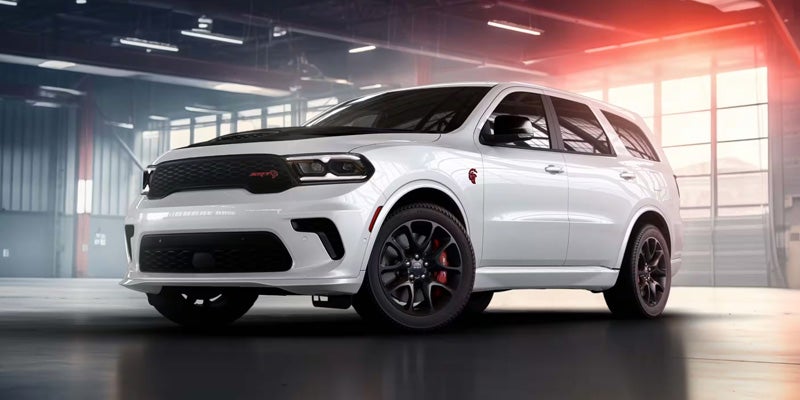
White Dodge Durango SRT Hellcat with black wheels and red brake calipers parked inside a garage.

Dodge Performance in 2026: A New Formula for American Muscle

The performance-car business is changing, and Dodge is taking an interesting approach. Instead of choosing between gasoline engines and electric propulsion, the company is developing both. The 2026 Dodge Charger introduces turbocharged 6-cylinder power and electric performance, while the Durango continues offering enormous V8 output. For drivers around Shenandoah, PA, the result is a lineup that demonstrates how different technologies can deliver distinctly different driving experiences. The Charger Changes Its Engineering Formula The biggest development is Dodge's transition to the 3.0L twin-turbocharged SIXPACK inline-6 engine. The Charger R/T produces 420 hp and 468 lbs. ft. of torque, reaching 60 mph in an estimated 4.6 seconds. The Scat Pack increases output to 550 hp and 531 lbs. ft. of torque, reducing that time to approximately 3.9 seconds. Both feature an 8-speed automatic transmission and standard AWD, while the Scat Pack offers selectable RWD. Available 2-door and 4-door configurations also broaden the Charger's appeal beyond the traditional muscle coupe. Electric Power Brings a Different Kind of Acceleration The Charger Daytona Scat Pack uses two electric motors and AWD to generate up to 670 hp and 627 lbs. ft. of torque. With PowerShot activated, Dodge estimates 0–60 mph acceleration in 3.3 seconds. Electric motors deliver torque immediately, eliminating the delay associated with building engine speed. Launch Control and selectable driving modes allow drivers to adjust performance characteristics. It's an important development for Dodge because electric propulsion provides another route to the acceleration that defines the brand. The Super Bee Raises the Turbocharged Stakes The upcoming 2027 Charger Super Bee Launch Edition continues Dodge's development of the SIXPACK engine. Its high-output 3.0L twin-turbocharged configuration produces 600 hp, with an estimated 3.6-second sprint to 60 mph. Developed with drag-strip performance in mind, the Super Bee demonstrates how modern turbocharging can deliver output previously associated with substantially larger engines. Durango Keeps the V8 Tradition Alive The 2026 Dodge Durango combines seating for up to 7 with an extensive engine lineup. Its available 3.6L Pentastar® V6 produces 295 hp, while the 5.7L HEMI® V8 generates 360 hp. The R/T 392's 6.4L HEMI® develops 475 hp and reaches 60 mph in approximately 4.4 seconds. At the top, the SRT® Hellcat uses a supercharged 6.2L HEMI® V8 producing 710 hp and 645 lbs. ft. of torque, achieving an estimated 3.5-second acceleration time. Properly equipped V8 models can tow up to 8,700 lbs., and maximum cargo capacity reaches 85.1 cubic feet. Performance Ownership Extends Beyond the Vehicle Dodge supports its enthusiast community through Dodge Garage, which provides motorsports coverage, performance news, and event information. Eligible owners may also have access to specialized instruction through Radford Racing School, depending on current program terms. Direct Connection supplies performance components developed and validated by SRT® Engineering, with warranty conditions varying by component and installation. Regular maintenance and professional detailing help protect these vehicles against Pennsylvania's seasonal road conditions. Experience Dodge at Rinaldi Chrysler Dodge Jeep Ram Dodge's current performance strategy offers several compelling choices: turbocharged gasoline power, electric acceleration, and traditional V8 muscle. Visit Rinaldi Chrysler Dodge Jeep Ram near Shenandoah, PA, to compare available new performance models and get ahead on the road. Schedule a test drive to discover how each powertrain delivers its own interpretation of American performance.

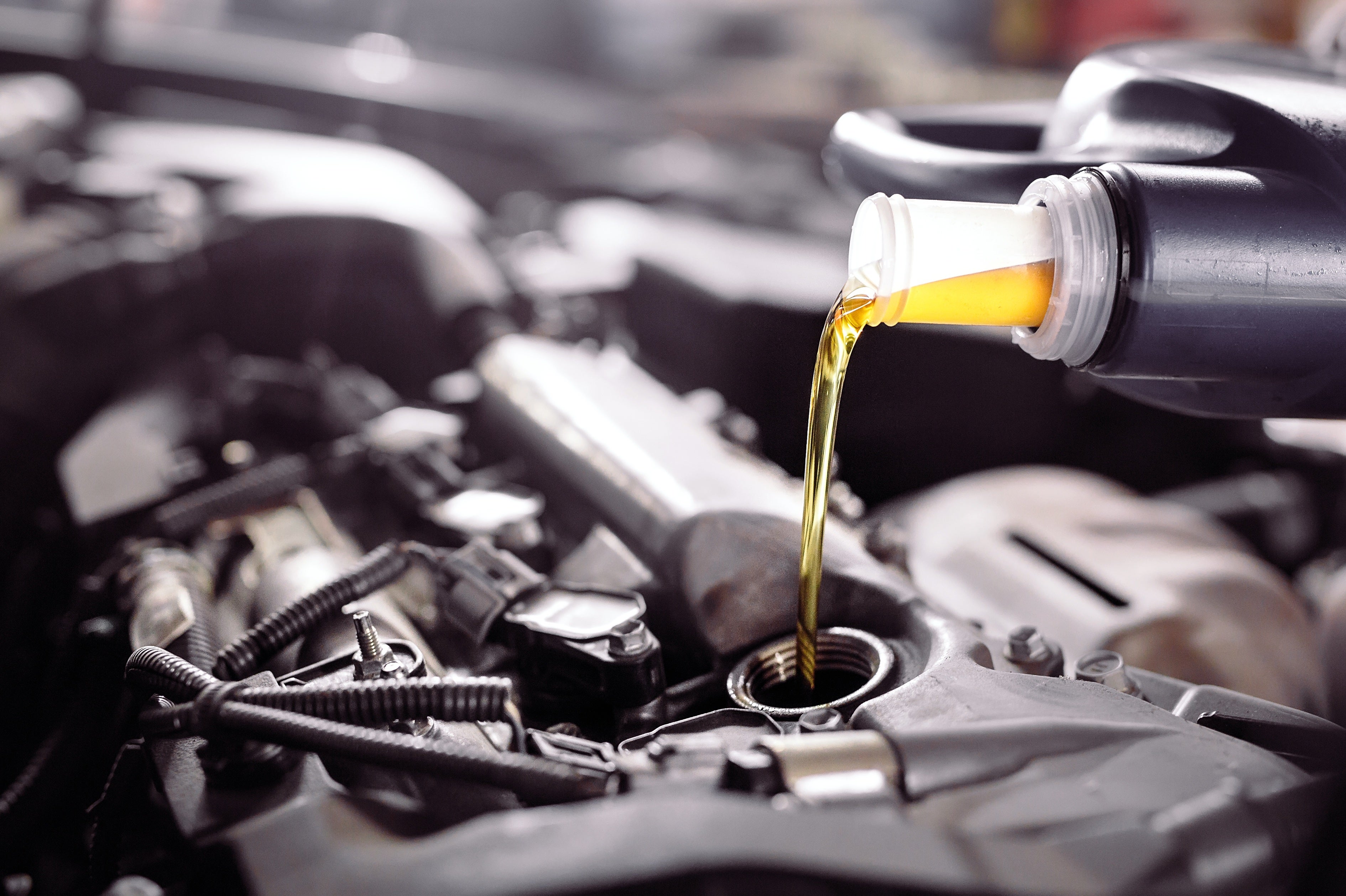
Golden motor oil being poured from a bottle into a car engine’s oil filler opening.

Jeep® Engine Warning Signs: Listen Before Something Breaks

Engines have a language. A healthy one hums, vibrates, and occasionally makes noises that sound expensive but aren't. A troubled engine speaks differently. A knock where there wasn't one. A hesitation climbing a hill. A dashboard light that suddenly decides to join the conversation. For Jeep® owners around Shenandoah, PA, learning to recognize these changes can save an otherwise capable Wrangler, Grand Cherokee, or Gladiator from a long stay in the repair shop. The Check Engine Light Has Something to Say That amber engine symbol isn't particularly descriptive. It could indicate a loose fuel cap, a faulty oxygen sensor, or an ignition misfire. The vehicle's onboard diagnostics store trouble codes that help technicians narrow down the cause, although a code alone doesn't identify every failed component. A steady light deserves prompt investigation. A flashing light is more urgent because it can indicate a severe misfire capable of damaging the catalytic converter. Reduce power and stop driving as soon as it's safe. Mechanical Noises Have Mechanical Causes A little valvetrain noise can be normal, depending on the engine. A sudden metallic knock isn't something to dismiss. Deep knocking may indicate worn bearings or inadequate lubrication, while persistent ticking can suggest valvetrain wear or low oil. Rattling and grinding deserve investigation, too. Listen for changes with engine speed, temperature, and acceleration. If a new noise accompanies an oil-pressure warning, stop safely and shut the engine off. Internal engine components don't tolerate inadequate lubrication for long. When the Engine Loses Its Enthusiasm A Jeep should respond predictably when you press the accelerator. Hesitation, reduced power, rough idling, or unexpected stalling suggest that combustion isn't proceeding as intended. Worn spark plugs, ignition-coil faults, restricted airflow, or fuel-delivery problems are possible causes. Misfires can also create vibrations that travel through the steering wheel and cabin. A noticeable drop in fuel economy may provide another clue. The important detail is the change: you know how your Jeep normally behaves. Smoke, Smells, and Evidence on the Ground Exhaust color can help identify engine problems. Persistent blue smoke suggests burning oil, while thick white smoke after warm-up may indicate coolant entering the combustion chambers. Black smoke can point toward excessive fuel or incomplete combustion. A sweet odor may accompany leaking coolant; a sharp burning smell could indicate oil contacting hot components. Fresh puddles deserve inspection, although fluid color alone isn't enough for a reliable diagnosis. Smoke from the engine compartment requires immediate caution. Stop safely and shut the engine down. Overheating Can End an Engine Quickly An engine operates within a carefully controlled temperature range. When coolant circulation fails, temperatures can climb rapidly. Low coolant, a malfunctioning thermostat, radiator problems, or a failing water pump may be responsible. If the temperature gauge enters the danger zone, pull over safely and switch off the engine. Continuing to drive risks warped components and severe internal damage. Never remove a hot cooling-system cap. Pressurized coolant can cause serious burns. Maintenance Is Cheaper Than Mechanical Surprises Regular oil changes, fluid inspections, and filter replacements help keep your Jeep operating as intended. Following the maintenance schedule also gives technicians opportunities to identify leaks, worn components, and developing problems before they interrupt a trip. Unusual vibrations, persistent warning lights, and changes in performance deserve professional attention. Get Your Jeep Checked at Rinaldi CDJR A Jeep is built to travel beyond familiar roads, but dependable performance begins with proper maintenance. Visit Rinaldi Chrysler Dodge Jeep Ram near Shenandoah, PA, when your Wrangler, Grand Cherokee, or Gladiator develops an unfamiliar noise, warning light, or performance problem. Schedule a service appointment to have qualified technicians diagnose the issue and help keep your Jeep ready for its next journey.